
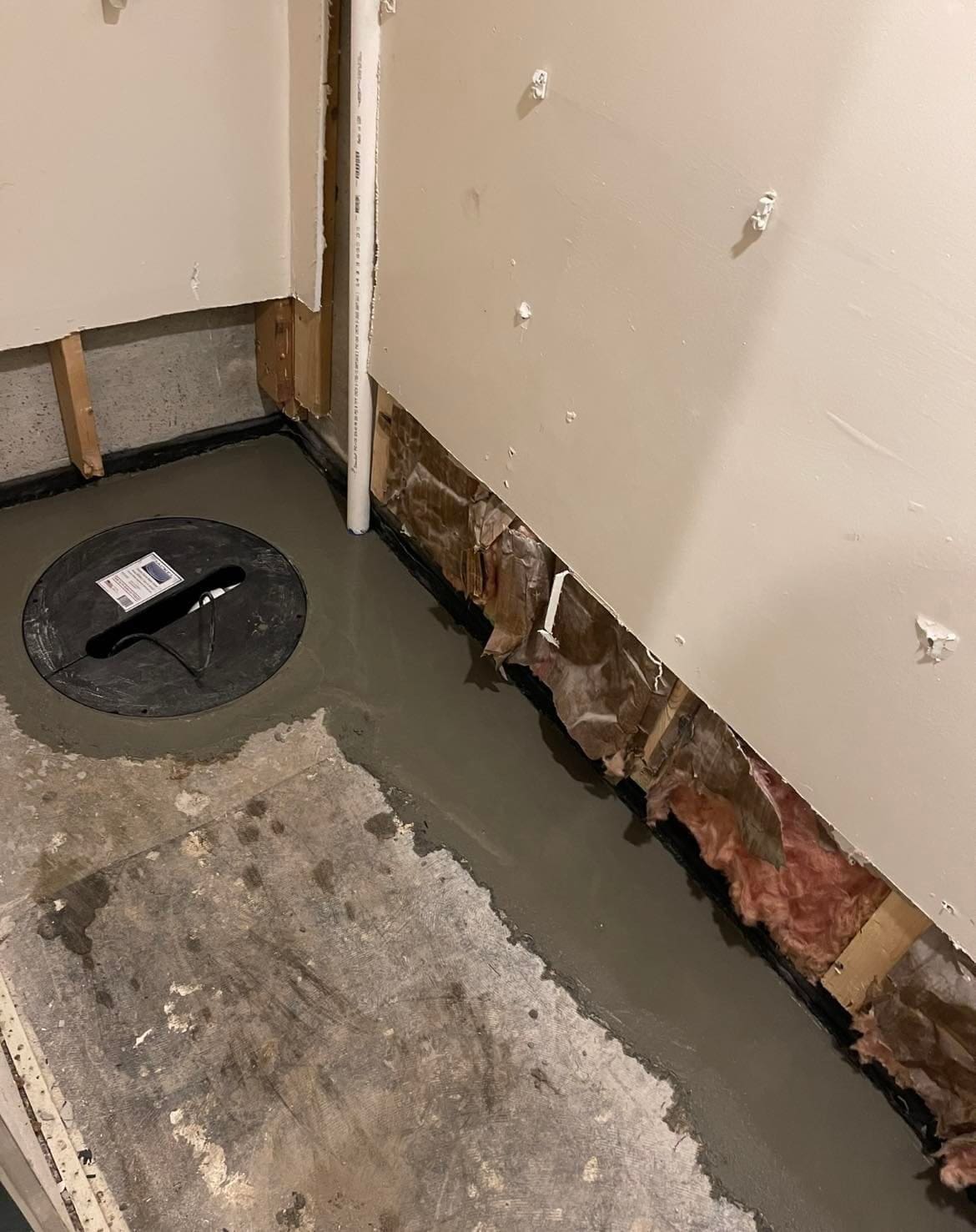
Drainage plays a major role in the health of your foundation, yet it is often misunderstood. Many homeowners assume water will naturally move away from their home or that minor drainage issues are not a serious concern. In reality, poor drainage is one of the most common causes of foundation damage. Believing the wrong information can lead to small problems turning into costly structural repairs. Understanding the most common drainage myths can help protect your home and prevent foundation issues before they start.
Myth 1: Water Will Drain Away on Its Own
One of the most common misconceptions is that rainwater will naturally flow away from a home without intervention. While gravity does play a role, soil conditions, yard slope, and landscaping can trap water against the foundation. In clay-rich areas, water is absorbed slowly and tends to pool rather than drain. When moisture sits near the foundation, it increases pressure on basement walls and contributes to cracking and movement over time.
Myth 2: Small Puddles Are Nothing to Worry About
Standing water near the foundation may seem harmless, especially if it disappears after a day or two. However, repeated pooling is a warning sign that drainage is not working properly. Over time, this moisture can weaken the soil supporting the foundation and allow water to seep into basements or crawl spaces. Even minor drainage problems can cause long-term damage if they are ignored.
Myth 3: Gutters Alone Are Enough
Gutters are an important part of managing roof runoff, but they are only one piece of the drainage system. If downspouts release water too close to the home, gutters can actually make drainage problems worse. Water must be directed far enough away from the foundation to prevent saturation. Without proper extensions or grading, gutter systems alone cannot protect a foundation from water damage.
Myth 4: Cracks Mean the Damage Is Already Done
Some homeowners believe that once foundation cracks appear, drainage improvements will not help. While cracks do indicate stress, correcting drainage can prevent further movement and stop the problem from worsening. Improving how water is managed around the home often plays a key role in stabilizing the foundation and protecting the repairs already in place.
Myth 5: Drainage Fixes Are Only Cosmetic
Drainage solutions are often viewed as landscaping improvements rather than structural protection. In reality, proper drainage directly affects the foundation’s stability. Systems such as grading corrections, French drains, and subsurface drainage are designed to relieve pressure and control moisture. These solutions address the underlying causes of foundation damage, not just surface appearance.
Why Proper Drainage Matters
When water is not managed properly, it exerts pressure on foundation walls and weakens the soil beneath the home. Over time, this can lead to cracks, bowing walls, and settlement. Addressing drainage issues early is one of the most effective ways to protect your foundation and avoid major repairs.
If you are noticing pooling water, basement moisture, or signs of foundation stress, it may be time to have your drainage system evaluated.
Protect Your Foundation with Professional Drainage Solutions
Level Up Foundation Repair and Excavation installs a variety of surface drainage solutions designed to stop water from collecting next to foundation walls and seeping into basements or crawl spaces. Our team offers both interior and exterior drainage systems, along with sump pump solutions, to help keep moisture under control and protect your home from water-related damage. These drainage solutions are proven to be reliable and effective at preventing basement water seepage.
Submit a request for a free estimate today to find out how professional drainage solutions can keep water away from your foundation and safeguard your home for the long term.