
When a home begins to settle unevenly, minor cracks in walls or sticking doors are often just the first signs of a deeper problem. At the heart of many structural issues is foundation movement caused by unstable soil or shifting ground. One of the most reliable and long-term solutions for stabilizing a settling foundation is foundation piering. Understanding how piering works and when it is needed can help homeowners protect their property and prevent further damage.
What Foundation Piering Is
Foundation piering is a structural repair technique used to support and stabilize a home that has begun to sink or shift. Rather than relying on the soil near the surface, which can be weak or variable, piering transfers the weight of the home to stable soil found deeper underground. This creates a firm, secure foundation, helping to prevent movement and restore structural balance.
The piers are usually made of strong steel and are installed beneath the foundation in key locations. Once in place, these piers support the home and reduce stress on foundation walls and floors.
How the Piering Process Works
The first step in the piering process is a professional foundation inspection. A qualified technician will examine the structure to determine the severity of settlement and identify the best locations for pier installation. This evaluation looks at interior and exterior signs of movement, including cracks, uneven floors, and separations around door or window frames.
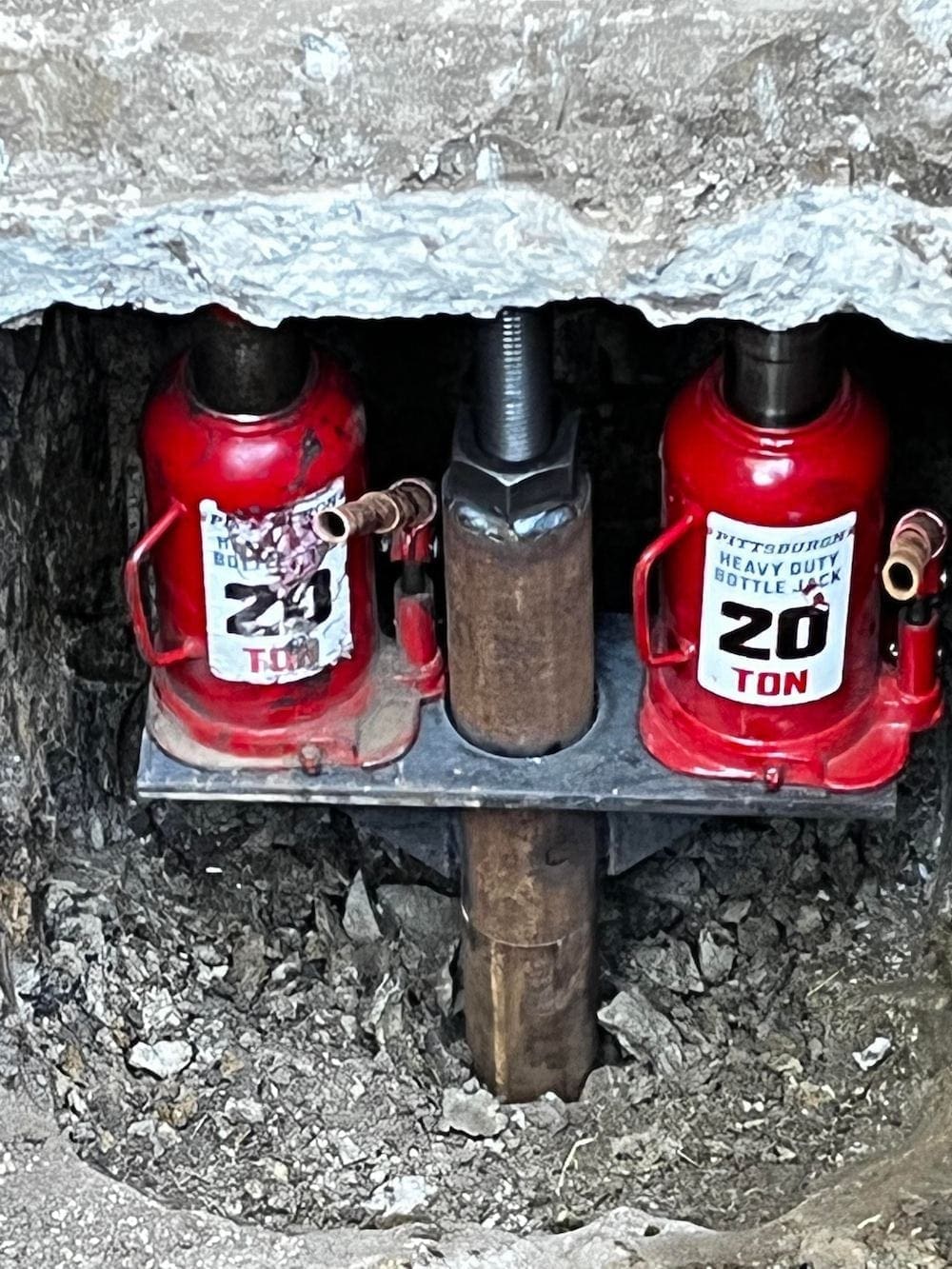
After the evaluation, small sections of soil are excavated near the foundation to allow access for pier installation. Steel piers are then driven deep into the ground until they reach load-bearing soil that does not move. Hydraulic equipment pushes the piers to the required depth, ensuring they are securely anchored.
Once the piers are installed, brackets are attached to the foundation. These brackets transfer the home’s weight onto the piers below. In some cases, the foundation can be carefully lifted back toward its original level. After the work is completed, the excavated areas are backfilled and compacted to restore a clean finished appearance.
When Foundation Piering Is Needed
Piering is typically recommended when a home shows clear signs of settlement that could lead to structural damage. Common warning signs include diagonal cracks in walls, uneven or sloped floors, doors that stick or do not close properly, and gaps between walls and ceilings. In the basement, you might also notice cracks or separation at block wall joints.
Homes built on clay-rich soil or areas where moisture levels change seasonally are at higher risk of settlement. Soil that expands when wet and shrinks when dry can exert pressure on foundations, causing shifting over time. In these situations, piering provides a proven way to stabilize the structure.
Benefits of Foundation Piering
One of the biggest advantages of piering is that it addresses the underlying cause of settlement rather than just covering up visible symptoms. By reaching stable soil deep underground, piers provide lasting support that enhances the home’s structural integrity. Piering is also precise, targeted, and can often be completed with minimal disruption to landscaping or property features.
When to Act
If you notice signs of foundation movement, it is important not to wait. Small cracks can quickly grow, and the longer a home settles unevenly, the more complex and costly repairs can become.
Level Up Foundation Repair and Excavation offers professional foundation piering services throughout Kansas City. We carefully evaluate the cause of the settlement and install the appropriate piering system to stabilize your home in the long term. Contact us today at (816) 230-0101 to schedule a foundation inspection and find out whether foundation piering is the right solution for your home.