

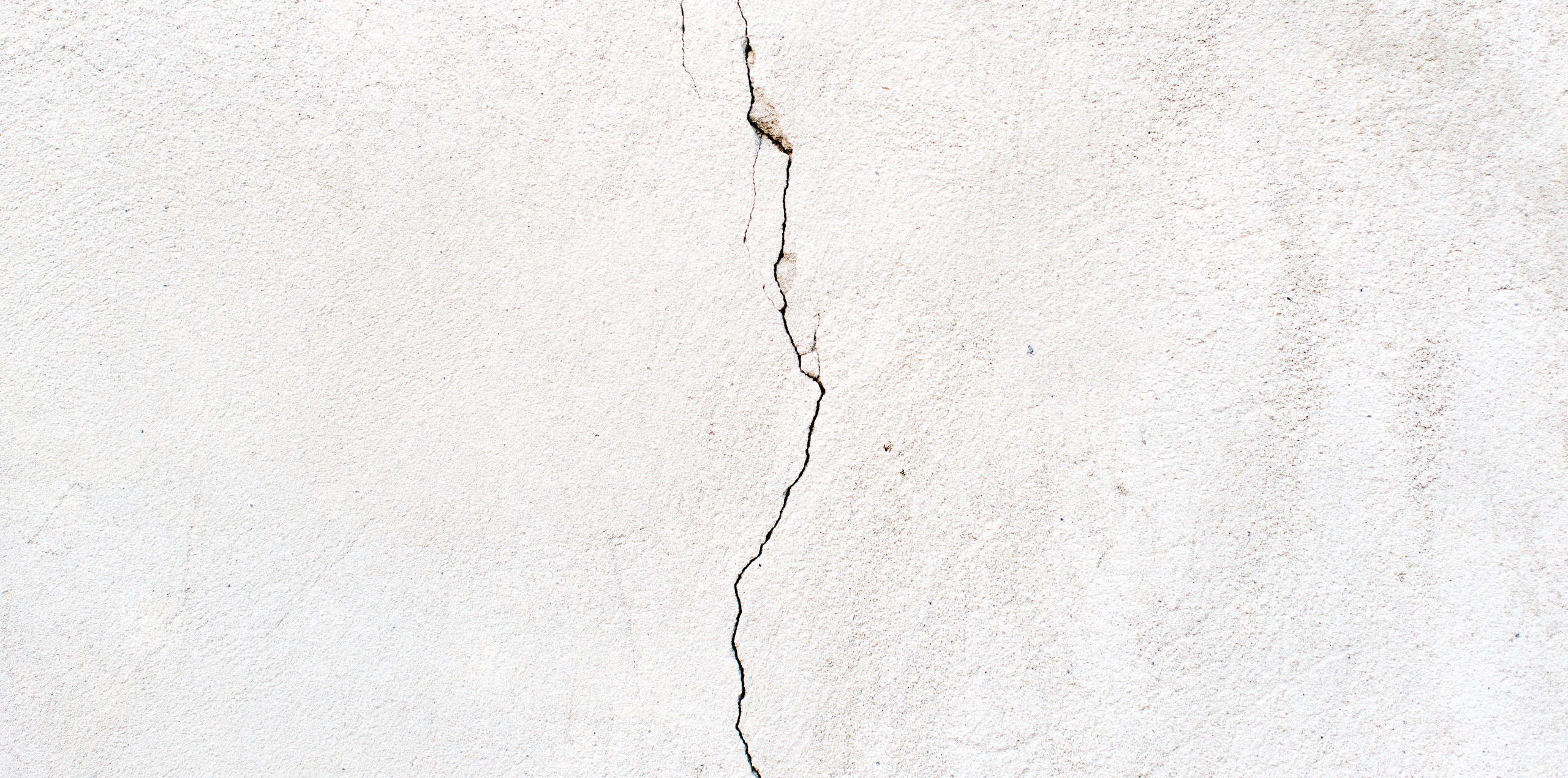
There’s the line you painted over, right above the door again. Maybe this is the first time you’ve noticed it. Does a line in the drywall really mean foundation repair is on your to-do list? Not necessarily.
We can’t make that call from the location of a crack alone. At Level Up Foundation Repair & Excavation in Odessa, MO, we’d want to know what has been happening around it. A door that closed fine last month but now catches at the top, for instance, is a detail worth sharing.
Why That Particular Spot?
Above a doorway, you have drywall around an opening rather than an uninterrupted wall. Its corners are places where stress can concentrate. On a load-bearing wall, there’s also a header carrying weight across that opening. If the support underneath moves, the framing can move with it; a crack up here may be the first thing you notice.
But houses have plenty of movement that isn’t a foundation failure. There’s wood responding to seasonal humidity, materials drying and settling in newer construction, and sometimes a drywall joint that simply wasn’t finished properly. We wouldn’t rule those out because of a mark over a bedroom door.
What Would Make Us Look Closer?
Suppose it’s a hairline crack, fairly straight, and it hasn’t changed. Cosmetic drywall movement is a possibility. Now suppose it’s diagonal from the corner, with one end noticeably wider. That can indicate differential movement: one portion of the house moving differently from another. It isn’t, by itself, a diagnosis.
We’d want to hear about repeat patches and stair-step cracks in the outside brick as well. The patch that keeps splitting could be a poor repair, or movement could still be pulling on it. Painting it a third time won’t tell you which.
How Many Doors Are Giving You Trouble?
One door rubbing can turn out to be a hinge problem. What we’d ask you about is the combination of changes. Maybe you’ve noticed the latch missing its catch as well as the crack. Or a door now swings shut by itself and a gap has opened above trim that used to sit tight. Those belong in the conversation.
Have a wander down the hall and into the other rooms. Any slope underfoot, especially beside the exterior walls? Include it when you make your notes, along with new gaps at baseboards or crown molding. And where does the cracking stop? Across the ceiling, or in several rooms along the same side of the house, is a different situation from one little mark above the closet.
Was It Always That Long?
Memory isn’t much use for comparing a crack you barely noticed the first time. We’d suggest keeping a dated photo before you do any filling, with a ruler at the widest opening and that measurement written down. A coin beside the crack gives a rough reference in a pinch. Marking the two ends lightly in pencil will help with the length comparison, too.
The usual 30-to-60-day recheck only makes sense for a minor crack that appears to have stopped changing, with nothing else concerning around it. A spreading or widening crack, or new floor and door trouble, is a reason to call sooner, not wait for your reminder. Sudden movement is another matter altogether. With that, or a wall visibly leaning or bulging, keep out of the affected area and get professional help promptly.
And Yes, Look At The Downspouts
It might seem odd to discuss gutters when the worry is over an interior door. But where rainwater ends up matters. Does a downspout empty next to the house? You can check that from the yard, along with any slope directing runoff toward the wall or a low spot still holding a puddle after rain. Observations are enough here; don’t start digging beside the footing.
The clay-heavy soils around Odessa and the Kansas City area don’t stay the same through wet and dry spells. Added moisture can make clay expand; drying can shrink it away and leave a void. Ground that’s too wet may also soften, leaving less support. With those changes happening unevenly, parts of the house can settle or lift. Poor drainage is one possible contributor, as are leaks from aging water lines. So if you’ve got a wet basement as well as cracking, tell us about both. The water control needed for basement waterproofing may overlap with what needs attention around the foundation.
We Need More Than A Look At The Patch
Crack getting wider, door getting harder to close, floor feeling out of level? With changes like those, or new cracking outside, we’d put the patching on hold and have the house assessed. You may not need major repairs. But leaving active movement unchecked can turn into a bigger repair bill, besides making the house less comfortable to live in and potentially affecting its value.
During an assessment, we look indoors and out for settlement indicators, including how water is managed at the foundation. Cosmetic drywall movement and unstable support under the house need different responses. Sometimes more investigation is necessary, with a structural engineer involved where appropriate. We’d explain any foundation repair options in terms of what the findings show and what the repair is meant to do. And if it doesn’t appear to be a foundation issue, that’s part of the conversation too.
You don’t need a technical name for the crack to ask us about it. Give Level Up Foundation Repair & Excavation in Odessa, MO a call at (816) 230-0101 and arrange an assessment. A photo, a rough date, and a description of what has changed are a good place to start. Let’s work out the next step before you spend another weekend patching that doorway.