

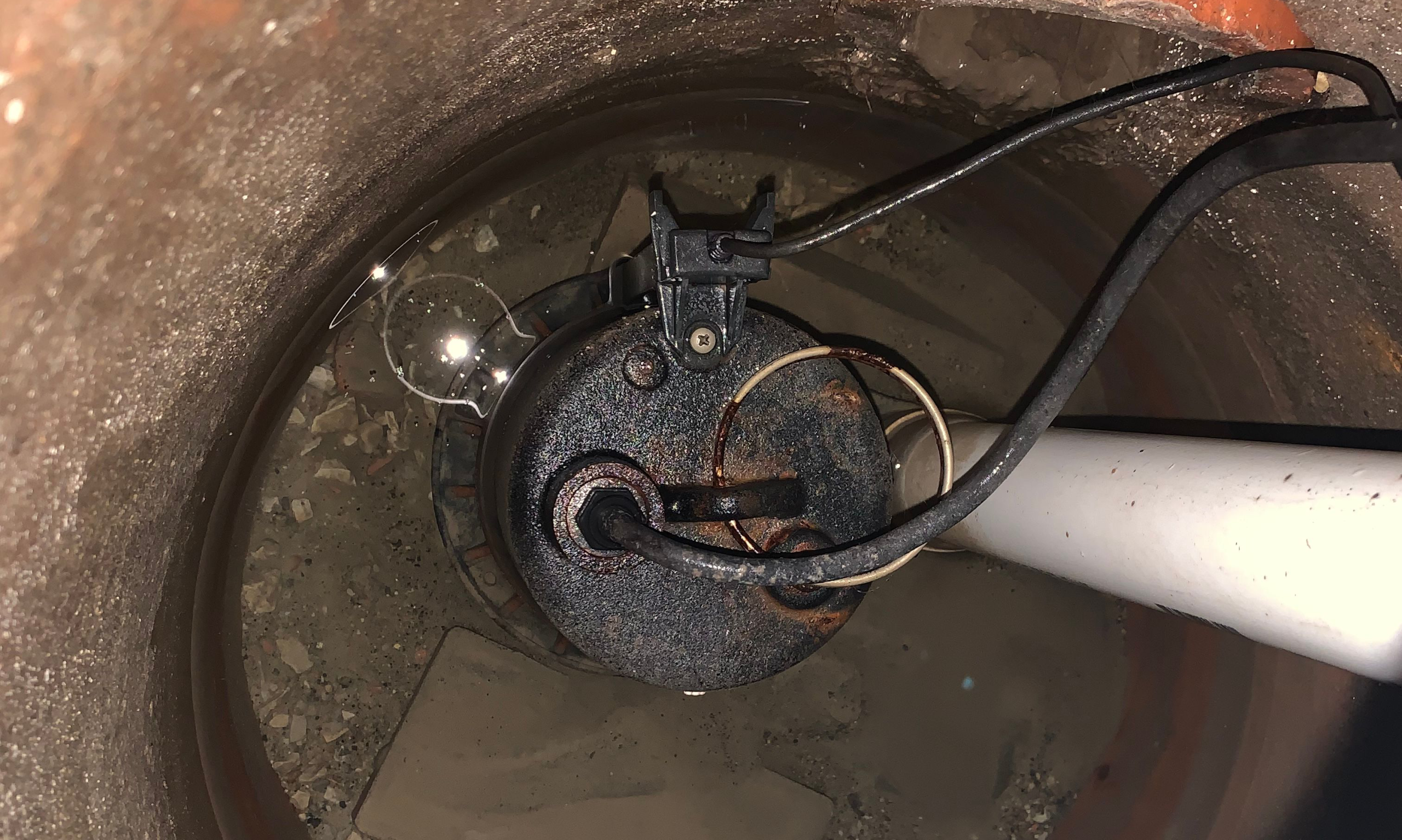
If you own a home with a basement, you probably already know how fast water can change the whole mood of the house. It does not politely ease its way in. It shows up fast, usually during the worst storm of the season, and sometimes right when the power goes out.
That is why a backup sump pump is not something we treat like a fancy add-on. For a lot of Kansas City area homes, it is basic protection. At Level Up Foundation Repair in Odessa, MO, we help homeowners protect finished basements, stored belongings, foundations, and the parts of the home people do not always think about until water is already on the floor.
A good primary sump pump matters. No question. But if the whole plan depends on one pump, one switch, and one power source, that is a pretty big bet when the weather gets ugly.
Why A Backup Sump Pump Matters More Than Most People Think
Your main sump pump has one job, and it is not an easy one. Groundwater comes in, the pump has to move it out, and the basement wall gets a little less pressure against it. When the system is doing its thing, most homeowners forget it is even down there.
That is the catch. It is still a machine sitting in a pit. Pumps get tired. Floats hang up. Grit and debris get where they should not. Discharge lines freeze, clog, or crack. A check valve can give out. And if the pump runs every time the ground gets wet, it may be wearing down faster than anybody realizes.
Then there is the part nobody controls: the lights going out.
Around Kansas City, the storms that dump the most rain are usually the same ones that knock out power. The sump pit keeps filling. The main pump sits there useless. The basement is suddenly depending on luck, and luck is not a waterproofing plan.
Regular sump pump care still matters too. The primary pump should be checked, cleaned, and tested before storm season, not after the first big rain. Pump size matters as well. A system that is too small for the home may run constantly and still not keep up. Having a sump pump is good. Having the right setup for the house is better.
What Actually Happens When The Main Sump Pump Fails
We have seen homeowners realize their sump pump quit only after the basement already started smelling damp. Maybe the carpet feels wet near the wall. Maybe the baseboards swell. Maybe the pit is full, the float is stuck, and the pump is just sitting there like it took the night off.
Sometimes the pump is making noise, but the water is not really going anywhere. A blocked discharge line can do that. So can a bad check valve that sends water right back into the pit. Noise does not always mean progress. The water level tells the truth.
Finished basements make the mess worse. Drywall pulls water up from the floor. Flooring swells. Trim separates. Storage boxes turn into soggy piles. Furniture legs soak up water like little straws. Even after the shop vac and fans come out, moisture can stay tucked behind walls and under flooring. That is when mold becomes the next headache.
A backup sump pump does not magically fix every water problem a basement can have. It just handles the failures we see all the time. If the main pump dies, the backup takes over. If the power goes out, the backup keeps working. Simple idea. Big difference.
The Two Main Types Of Backup Sump Pumps
Battery Backup Sump Pumps
Battery backup systems are the most common option. They use a backup pump, a control box, and a battery that stays charged while the power is on. If the main pump cannot keep up, or if the power cuts out, the backup pump turns on automatically.
For many homeowners, this setup makes the most sense. It gives the house a second line of defense without depending on power during a storm. It is especially useful for finished basements because the cost of adding backup protection is usually small compared to tearing out wet flooring, drywall, and trim.
The key is using the right battery and checking it on a schedule. A backup system with a weak battery is not much of a safety net.
Water-Powered Backup Sump Pumps
Water-powered backup pumps use municipal water pressure to create suction and move water out of the sump pit. They do not need electricity, and they do not rely on a battery. For the right home, that can be a clever setup.
There are trade-offs, though. The home needs dependable city water pressure. The system can use a good amount of water while it runs. And if the home is on a well, this option usually does not make sense because the well pump also depends on power.
If someone asks which backup sump pump is best, the honest answer is that it depends on the house. Battery backup is often the safer, more predictable choice. Water-powered can work well in the right situation. Either way, having a real backup is the important part.
Common Backup Sump Pump Mistakes We See
A backup sump pump only helps if it is installed and maintained the right way. That sounds obvious, but plenty of systems look fine at a glance and still are not ready for a real storm.
One common issue is an old or undersized battery. It may test fine for a minute and then quit when the pump has to run longer. Our pros like systems that make battery condition easy to check, and would rather replace a battery early than find out it is weak at 2 a.m.
Another problem is the discharge setup. If the main pump and backup pump are tied together incorrectly, water can cycle back into the pit, or the pumps can work against each other. Proper check valves and discharge routing matter more than people think.
The last big mistake is never testing the system. Homeowners assume the backup is ready because it is sitting there. We would much rather test it on a quiet weekend than discover a dead battery, stuck float, or bad connection during a thunderstorm.

How A Backup Sump Pump Fits Into Basement Waterproofing
A backup sump pump is a big part of basement protection, but it is not the entire plan.
When Level Up Foundation Repair looks at a wet basement, we are also looking outside the house. Is the yard graded toward the foundation? Are the gutters overflowing? Are the downspouts dumping water too close to the wall? Is the drainage system actually moving water where it should go?
Sometimes the sump pump is not the main problem. Sometimes, the home is just being forced to handle too much water because surface water is being sent straight to the foundation.
Foundation condition matters too. Cracks, bowing walls, and signs of movement should not be ignored. Water adds pressure around basement walls, and hydrostatic pressure does not politely back off because a homeowner is busy. It keeps pushing. That is why basement waterproofing and foundation repair should be looked at together, not as two unrelated jobs.
A Simple Rule Of Thumb For Homeowners
If the basement is finished, a backup sump pump is worth serious consideration. If important belongings are stored down there, it is worth considering. If the sump pump runs often during heavy rain, that is another sign.
The same goes for homes in neighborhoods that lose power during storms, or any home that has already had basement water even once. One small flood is usually enough to show what the real cost looks like: cleanup, repairs, stress, lost time, and the worry that it will happen again.
You do not have to plan for every disaster. You just have to be honest about what a wet basement would cost and whether the current sump pump setup gives you enough protection.
Let’s Keep Your Basement Dry Before The Next Storm Hits
If you are not sure whether your current sump pump system is ready for the next hard rain, Level Up Foundation Repair can help you sort it out. Our team in Odessa, MO, serves homeowners across the Kansas City area with practical basement waterproofing and foundation repair solutions that are built for real weather, not wishful thinking.
Call Level Up Foundation Repair at (816) 230-0101 to talk through your sump pump system, backup options, and what makes the most sense for your home before the next storm puts it to the test.